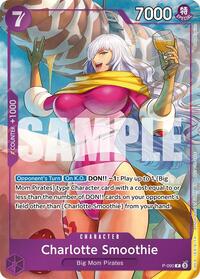
OP-PR
Charlotte Smoothie (Event Pack Vol. 7)
One Piece Promotion Cards · P-090
€7.00Seller payout €6.00
NormalStandard75% confidence
Pricing and trust
Scheduled Fill Exchange does not ask buyers to trust a hidden quote. The market stays publicly inspectable, confidence stays attached to the cards, and money moves only when the final monthly bundle is ready to accept.
One Piece Promotion Cards · P-090

Awakening of the New Era · OP01-121
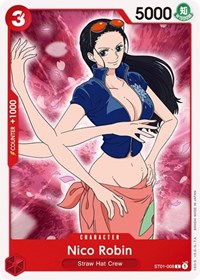
Starter Deck 1: Straw Hat Crew · ST01-008
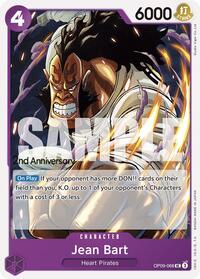
Emperors in the New World: 2nd Anniversary Tournament Cards · OP09-066
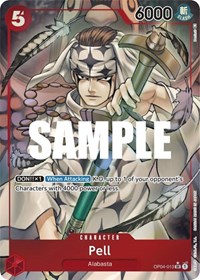
Kingdoms of Intrigue · OP04-013
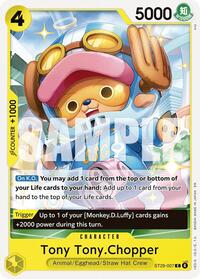
Starter Deck 29: Egghead · ST29-007
The shelf gives the feeling. The table gives the exact read.
| SKU | Buyer ref | Seller payout | Policy | Confidence |
|---|---|---|---|---|
| Charlotte Smoothie (Event Pack Vol. 7) · OP-PR · EN · NM · Foil | €7.00 | €6.00 | Normal | 75 |
| Yamato (SP) · OP05 · EN · NM · Foil | €177.00 | €153.00 | Normal | 75 |
| Nico Robin · ST-01 · EN · NM · Normal | €0.25 | €0.00 | Normal | 75 |
| Jean Bart · OP09-ANN · EN · NM · Normal | €0.25 | €0.00 | Normal | 75 |
| Pell (Alternate Art) · OP04 · EN · NM · Foil | €4.00 | €3.25 | Normal | 75 |
| Tony Tony.Chopper · ST-29 · EN · NM · Normal | €0.25 | €0.00 | Normal | 75 |
| Jesus Burgess (Reprint) · ST-27 · EN · NM · Normal | €0.25 | €0.00 | Normal | 75 |
| Monkey.D.Dragon · OP12 · EN · NM · Foil | €0.50 | €0.25 | Normal | 75 |
| Eustass"Captain"Kid (112) (Parallel) · OP10 · EN · NM · Foil | €18.00 | €15.50 | Normal | 75 |
| Bartolomeo (Dash Pack) · OP15-EB04 · EN · NM · Foil | €0.25 | €0.00 | Normal | 75 |
| Sakazuki (SP) · OP04 · EN · NM · Foil | €48.00 | €41.50 | Normal | 75 |
| Sentomaru · OP15-RE · EN · NM · Normal | €2.00 | €1.50 | Normal | 75 |
Keep the reference table available without letting it take over the page.
| Policy layer | What it means |
|---|---|
| Snapshot-based pricing | Matching uses a published book, not live external calls during bundle generation. |
| Liquidity classes | Core, standard, attach-only, and disabled state shape visibility and seller activation behavior. |
| Auditability | Sources, snapshots, mapped rows, and publish timestamps remain inspectable from admin pricing ops. |